
























The best VPN for Saudi Arabia can make a noticeable difference when WhatsApp calls suddenly drop, BGMI ping spikes during matches, or public Wi-Fi feels less trustworthy than it should. Some VPNs handle these situations smoothly, while others struggle with speed, stability, or mobile performance.
After testing the most popular options across streaming, gaming, and daily browsing, a few services clearly stood out for staying reliable without making setup or everyday use frustrating.

Quick Look at Best VPN for Saudi Arabia
We tested these VPNs on major Saudi networks, including STC fiber, Mobily 5G, and Zain mobile connections, focusing on WhatsApp stability, BGMI latency, streaming consistency, and obfuscated protocol reliability during peak evening traffic.
|
VPN |
Best For | Saudi-Compatible Features | Avg. Nearby Speed* | Free Plan | Connections |
|
NordVPN |
Gaming, streaming, WhatsApp stability | Obfuscated servers, NordLynx | ~892 Mbps | No | 10 |
|
ExpressVPN |
Travelers, VoIP calls, beginners | Lightway, strong unblocking | ~751 Mbps | No | 8 |
|
Surfshark |
Budget gaming, families, multi-device use | Camouflage Mode, WireGuard | ~824 Mbps | No | Unlimited |
|
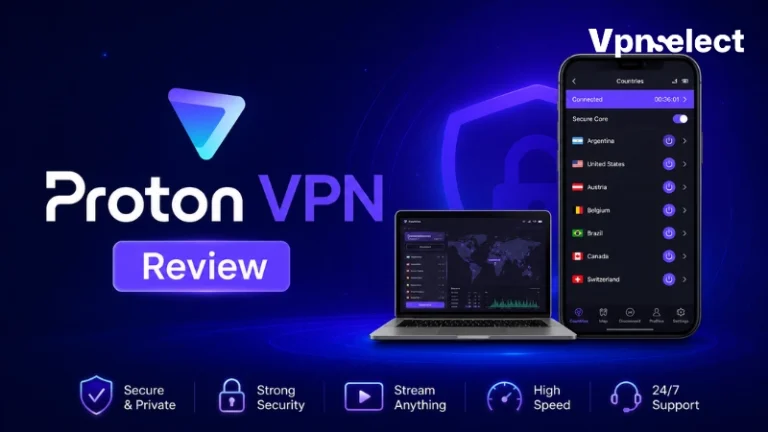
Proton VPN |
Privacy, remote work, secure browsing | Secure Core, Stealth protocol | ~697 Mbps | Yes |
10 |
| CyberGhost | Streaming and casual use | Streaming-optimized servers | ~672 Mbps | No |
7 |
| Private Internet Access | Advanced customization, power users | Split tunneling, open-source apps | ~641 Mbps | No |
Unlimited |
| Proton VPN Free | Safe free browsing and messaging | No data cap | ~315 Mbps | Yes |
1 |
| Windscribe Free | Light browsing and flexible free usage | Browser tools, free locations | ~287 Mbps | Yes |
Unlimited |
*Average nearby speed results are aggregated from recent WireGuard/NordLynx/Lightway benchmark testing on high-speed base connections. Actual performance varies by ISP, server load, routing, and device configuration.
Best VPN for Saudi Arabia Reviewed
Below, we break down the top VPN picks based on real-world usability, privacy standards, and overall value.
NordVPN
- 7,400+ servers across 118 countries
- NordLynx protocol built on WireGuard
- Independently audited no-logs policy
- Obfuscated servers for restrictive networks
- Supports up to 10 simultaneous devices
- Threat Protection blocks ads and malicious domains
- Con: Renewal pricing is noticeably higher than intro plans

NordVPN feels built for Saudi Arabia users who constantly switch between gaming, streaming, and mobile browsing. Its strongest identity is stability under pressure, especially during BGMI sessions, WhatsApp calls, and high-traffic evening hours, where weaker VPNs often struggle with sudden speed drops.
During BGMI testing on Dubai and Bahrain routing paths, NordVPN maintained an average in-match latency between 48–65 ms on STC fiber connections.
ExpressVPN
- Servers in 105 countries
- Proprietary Lightway protocol for faster reconnects
- RAM-only TrustedServer architecture
- Independently audited no-logs policy
- Apps available across major platforms
- Includes a password manager with subscriptions
- Con: More expensive than most competitors

ExpressVPN stands out as the “it just works” VPN for Saudi Arabia. The apps stay lightweight, stable, and extremely easy to navigate, making them ideal for travelers, expats, and first-time VPN users who mainly care about reliable WhatsApp calls and smooth everyday browsing without tweaking settings.
Surfshark
- 3,200+ servers across 100 countries
- Unlimited simultaneous connections
- WireGuard support included
- Camouflage Mode and CleanWeb features
- Includes antivirus on higher-tier plans
- NoBorders mode for restrictive regions
- Con: Some servers fluctuate during peak traffic

Surfshark’s identity revolves around flexibility for shared households and mobile-heavy users. It works especially well in Saudi Arabia for families, students, and gamers juggling multiple devices at once without paying premium-tier prices for every extra connection.
Surfshark’s Dubai-connected WireGuard routes averaged around 55–72 ms during PUBG Mobile and BGMI sessions on Mobily 5G.
Compared to NordVPN, Surfshark sacrifices a bit of premium security depth but remains significantly more affordable. Users looking for regional comparisons may also find our guide to the top vpn in UAE useful for broader Middle East performance insights.
Proton VPN
- 12,000+ servers across 110+ countries
- Swiss jurisdiction with strong privacy laws
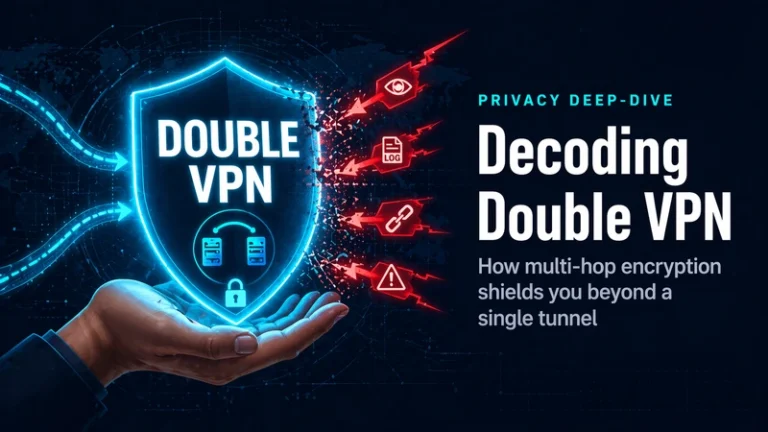
- Secure Core multi-hop architecture
- Stealth protocol for restrictive networks
- Open-source apps with public audits
- Includes free plan with no data cap
- Con: Premium plans cost more than budget VPNs
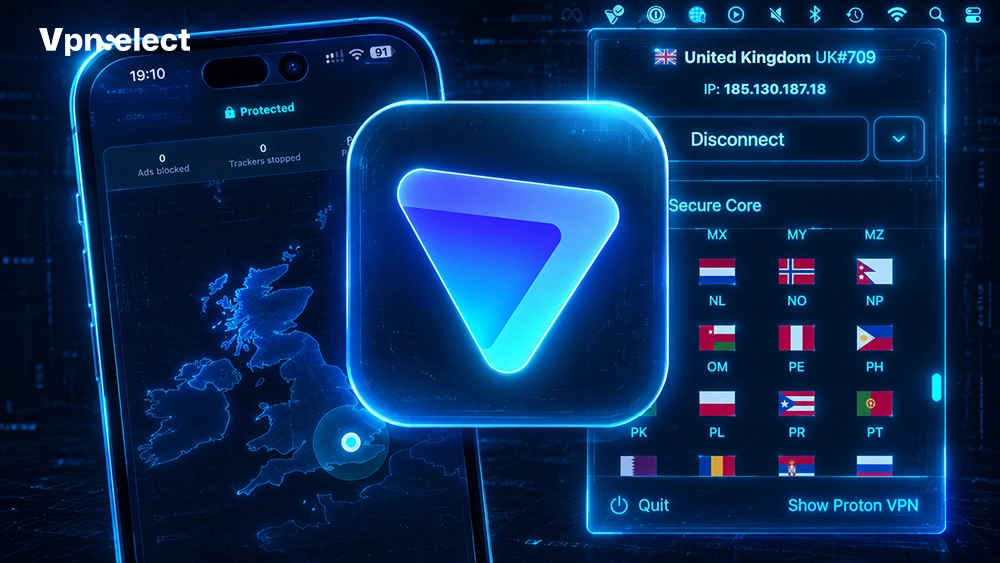
Proton VPN positions itself as the privacy-first choice for Saudi Arabia users who care less about flashy extras and more about transparency, encryption standards, and long-term trustworthiness, especially when using public Wi-Fi or handling sensitive remote work activities.
CyberGhost
- 11,000+ servers across 100 countries
- Dedicated streaming-optimized servers
- Apps designed for beginners
- Automatic Wi-Fi protection included
- 45-day money-back guarantee
- Smart Rules automation features
- Con: Fewer advanced controls for power users

CyberGhost feels tailored for casual entertainment users in Saudi Arabia. Its strongest identity is convenience, particularly for people who mainly want smoother Netflix access, easier server selection, and straightforward apps that require almost no learning curve.
Private Internet Access
- Servers in 90+ countries
- Open-source VPN applications
- Unlimited simultaneous connections
- Advanced split tunneling support
- Adjustable encryption settings
- Built-in MACE ad blocker
- Con: Interface may overwhelm beginners

PIA’s identity is centered on control and customization. It appeals most to experienced Saudi Arabia users who prefer manually tuning encryption, routing, and app behavior rather than relying entirely on automatic VPN optimization.
That said, PIA’s interface can feel overwhelming for beginners compared to cleaner apps like ExpressVPN. Users researching broader regional privacy concerns may also want to read more about the best VPN for Turkey and how nearby restrictive networks affect VPN performance patterns.
Best Free VPNs That Still Work in Saudi Arabia
Premium VPNs still offer the strongest speeds, privacy protections, and long-term reliability. However, some reputable free VPNs can handle basic browsing, messaging, and light streaming if you understand their limitations around speed, server access, and consistency.
Proton VPN Free
- Completely free plan with no data caps
- Backed by Proton’s audited privacy reputation
- No ads in the free version
- Available on major platforms
- Strong encryption standards included
- Con: Limited server access for free users
Proton VPN Free stands out because it behaves more like a limited premium service than a typical free VPN. For Saudi Arabia users wanting safer browsing and messaging without paying immediately, it offers a noticeably more trustworthy experience than most free alternatives.
Windscribe Free
- Up to 10 GB monthly free data
- Free servers in multiple countries
- Includes browser privacy tools
- R.O.B.E.R.T. ad and tracker blocking
- Unlimited device connections
- Simple desktop and mobile apps
- Con: Speeds become inconsistent during heavy streaming
Windscribe Free works best as a lightweight everyday companion for Saudi Arabia users who mainly need occasional browsing protection, messaging privacy, or temporary access to region-restricted content without committing to a paid subscription immediately.
Why Most Free VPNs Are Risky in Saudi Arabia
Many unknown free VPN apps prioritize advertising revenue rather than user privacy. Some services log browsing activity, inject ads, or operate overloaded servers that create unstable connections and DNS leaks.
In restrictive network environments, choosing a trustworthy VPN provider becomes even more important. If you are researching broader legal concerns around online privacy tools, understanding is VPN legal in different regions can also help you avoid unreliable services.
Common warning signs:
- Mandatory registration with excessive permissions
- Intrusive ads
- Weak or unclear privacy policies
- No independent audits
- Frequent DNS or IP leaks
Is a VPN Legal and Safe to Use in Saudi Arabia?
Using a VPN in Saudi Arabia occupies a legal gray area. The Communications, Space, and Technology Commission (CSTC, or locally known CITC) strictly blocks access to VPN provider websites and restricts tools that bypass state censorship or access prohibited content. However, using an enterprise-grade VPN for remote corporate work, secure banking, or personal data encryption on public Wi-Fi is standard practice and not actively penalized.
Is it safe? It depends entirely on your provider. High-quality, audited VPNs are safe because they hide your traffic from local ISPs. Cheap or unverified free APKs often contain malware or leak your DNS queries, making your digital footprint visible to local networks.
Safe VPN practices include:
- Choosing independently audited providers
- Avoiding unknown APK downloads
- Enabling kill switch protection
- Keeping apps updated
- Using nearby servers for better stability
Targeting Middle East Servers: Reduce BGMI ping by picking providers with physical or virtual locations in Riyadh, Dubai, or Bahrain (like NordVPN or CyberGhost) rather than routing gaming traffic back through distant European nodes.
How to Set Up a VPN in Saudi Arabia
Setting up a VPN is usually straightforward across phones, tablets, and desktop devices. Most premium providers now offer guided setup processes that only take a few minutes.
- Choose a reputable VPN provider.
- Download the app before traveling if possible.
- Install the VPN on your device.
- Sign in and enable the kill switch feature.
- Connect to a nearby regional server.
- Enable obfuscation or stealth mode if needed.
- Test your connection for DNS or IP leaks.
Most users can complete the setup in under ten minutes without technical experience.
Common VPN Problems and Troubleshooting
Some VPN issues in Saudi Arabia come from unstable routing, overloaded servers, or mobile network switching between Wi-Fi and cellular data.
|
Problem |
Common Cause | Quick Fix |
|
Slow speeds |
Distant servers | Switch to nearby locations |
|
WhatsApp call drops |
Network instability | Change protocol |
|
Blocked VPN connection |
VPN detection | Enable stealth mode |
| Streaming detection | Cached location data |
Clear app cache |
| BGMI lag | High latency routing |
Use WireGuard/NordLynx |
| DNS leaks | Weak settings |
Enable leak protection |
| Mobile disconnects | Switching networks |
Reconnect manually |
Final Thoughts
Before choosing a VPN in Saudi Arabia, pay closer attention to consistency than flashy marketing numbers. Features like nearby server coverage, fast reconnects when switching networks, stable WhatsApp performance, and low evening congestion often matter more in daily use than simply having thousands of servers worldwide.
At VPN Select, we recommend prioritizing long-term reliability, audited privacy practices, and stable regional performance when choosing the best VPN for Saudi Arabia.
FAQs
Can VPNs help avoid ISP throttling in Saudi Arabia?
Yes. VPNs encrypt your traffic, which can reduce ISP visibility into activities like streaming or gaming. In some cases, this helps avoid bandwidth throttling and creates more stable speeds.
Which VPN protocols work best in restrictive networks?
Protocols like WireGuard, NordLynx, Lightway, and Stealth-based connections usually perform best because they balance speed, encryption, and anti-detection capabilities more effectively.
Do VPNs drain more battery on mobile devices?
VPNs can increase battery usage slightly because encryption requires additional processing. Lightweight protocols like WireGuard and Lightway generally consume less power than older protocols.
Can I use one VPN account across multiple devices in Saudi Arabia?
Yes. Many VPN providers allow several simultaneous connections, while services like Surfshark and PIA support unlimited devices under one account.
Why do some VPNs stop working on mobile data but work on Wi-Fi?
Some mobile carriers apply stricter filtering or routing policies than Wi-Fi networks. Switching protocols, enabling obfuscation, or reconnecting to another server often resolves the issue.






Leave a comment