











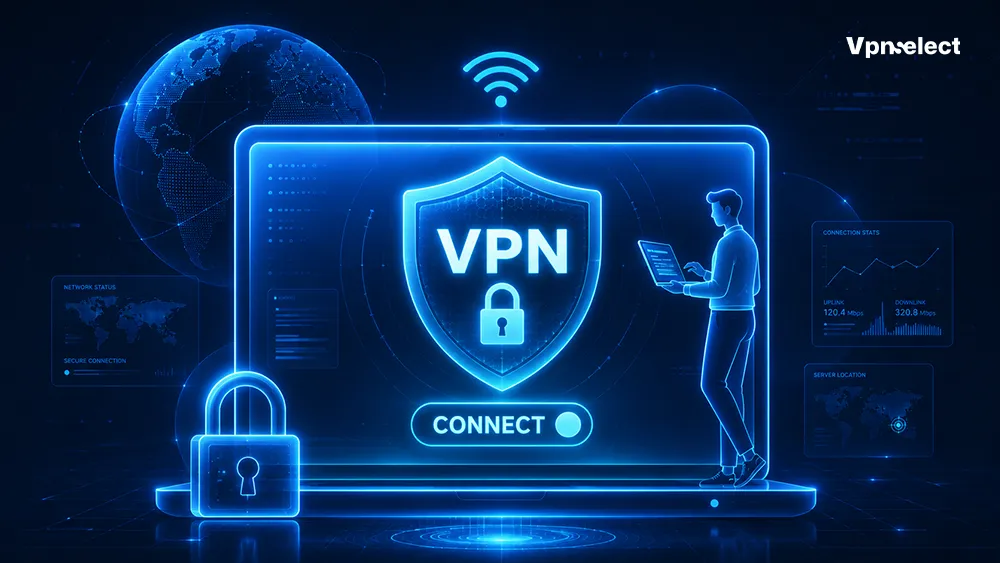
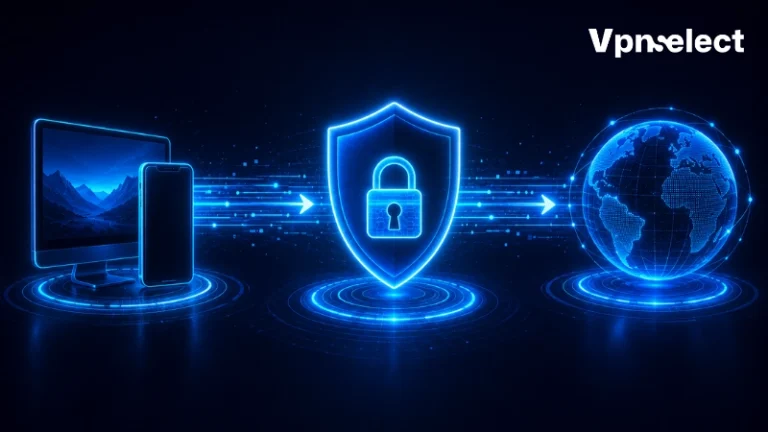
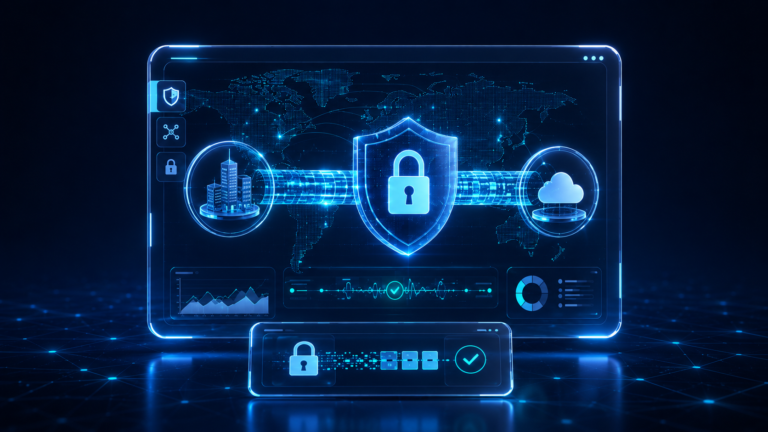
What is a VPN concentrator? It is a dedicated network device that manages multiple VPN connections securely, establishing thousands of encrypted tunnels for remote teams and branch offices. Organizations benefit from centralized connectivity, simplified access control, and strong data protection.
This blog will show who can benefit from a VPN concentrator, how it works, and the key features that make it essential for modern corporate networks. You will also discover when and why a VPN concentrator is the ideal solution for secure, efficient, and scalable remote access.
What Is a VPN Concentrator?
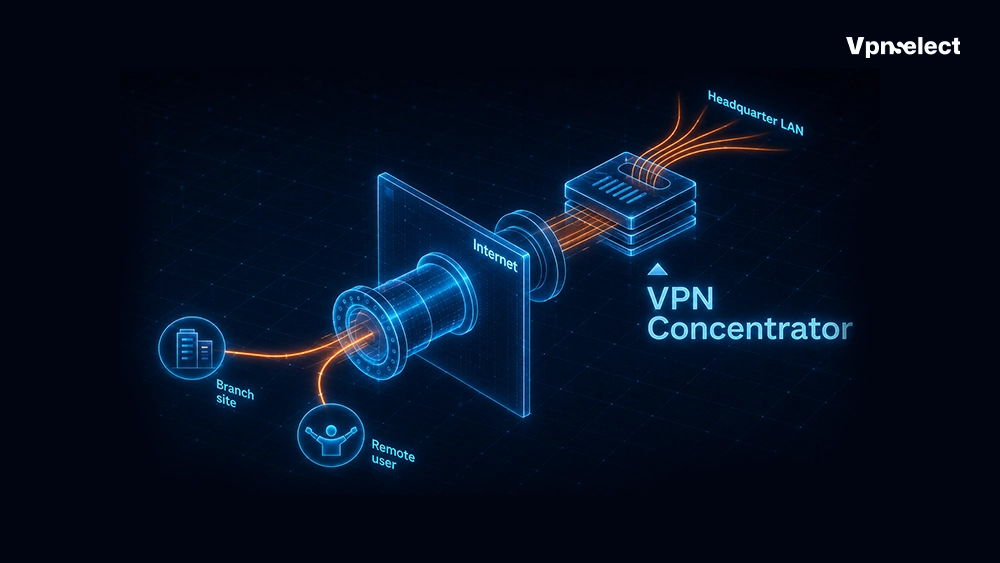
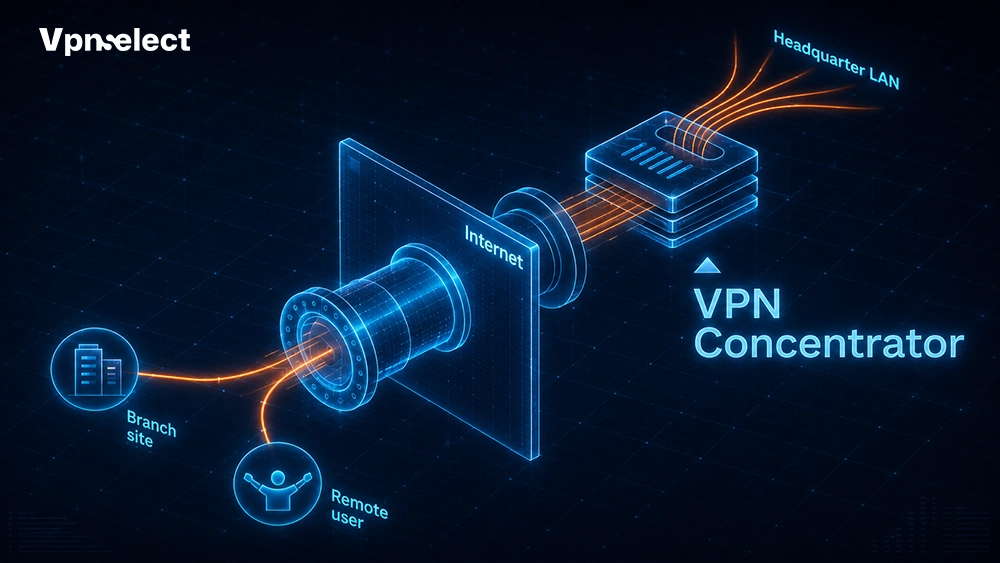
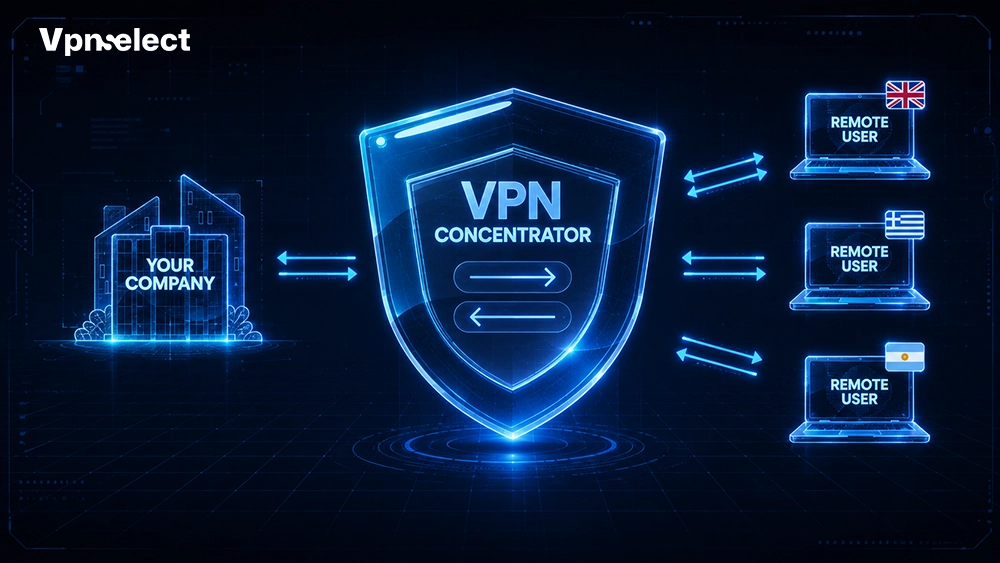
A VPN concentrator is a high-performance networking device, either hardware or virtual, designed to create, manage, and secure large numbers of encrypted VPN tunnels simultaneously. So what is a VPN concentrator? It acts as a central hub, handling user authentication, data encryption, traffic routing, and strict access control for all incoming connections.
By offloading these demanding tasks from standard servers, a VPN concentrator provides efficient, centralized VPN management across the enterprise. This infrastructure is essential for organizations supporting thousands of remote workers, ensuring every connection remains private, authenticated, and stable without slowing core business operations.
How a VPN Concentrator Works
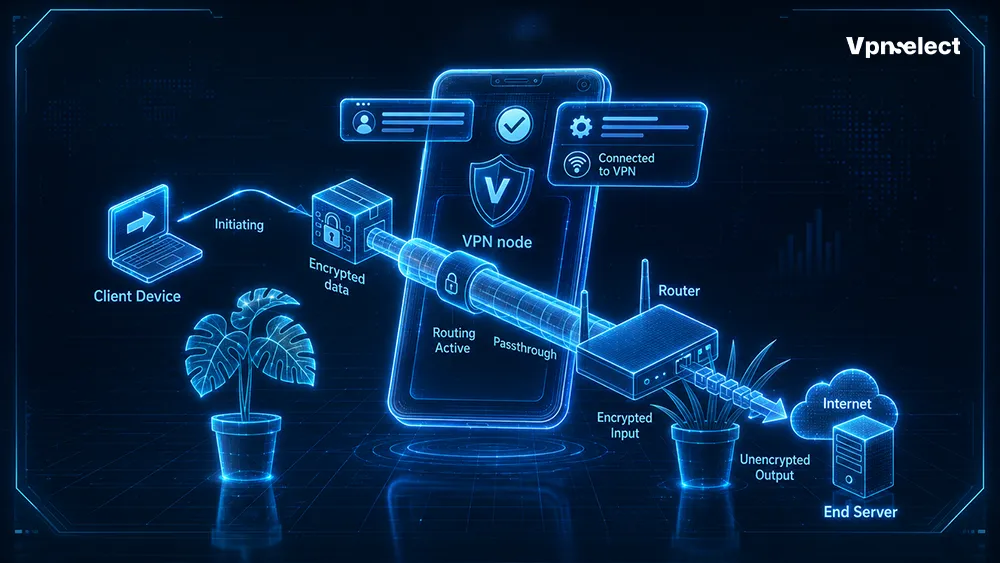
A VPN concentrator works by managing VPN traffic from the moment a user tries to connect:
- A user starts a VPN connection using client software.
- The concentrator verifies the user’s identity with their credentials.
- It sets up an encrypted VPN tunnel to protect data in transit. You can learn more about encryption in this does VPN encryption work guide.
- The device grants the necessary permissions and directs traffic to the correct network resources.
- All traffic going in and out is encrypted, ensuring both confidentiality and data integrity while keeping communication within the organization fast and secure.
In short, understanding what is a VPN concentrator and how it works helps organizations ensure secure, efficient, and reliable remote access for their users.
When Does a Business Need a VPN Concentrator?
Organizations need a dedicated device when standard network routers can no longer handle the large volume of encrypted data traffic. Understanding what is a VPN concentrator helps businesses see when this centralized security solution becomes essential.
Large Remote Workforces
Companies with hundreds or thousands of remote employees frequently need a centralized VPN solution. By understanding what is a VPN concentrator, IT teams can simplify daily access control, streamline user authentication, and monitor connections in real time.
This centralized approach allows consistent security policies for a global workforce from a single dashboard, preventing slowdowns and maintaining productivity. For scenarios involving advanced tunneling or double VPN setups, see here Guide VPN.
Businesses with Multiple Branch Offices
Organizations with multiple locations often face challenges in managing secure communication. Understanding what is a VPN concentrator shows how it simplifies network management. Key benefits include:
- Centralized Traffic: Handles all data through a single hub, no need to configure multiple routers.
- Secure Communication: Ensures continuous, encrypted links between branches and headquarters.
- Fewer Errors: Centralized setup reduces configuration mistakes.
- Easy Administration: IT teams can monitor and control the network from one dashboard.
- Scalable: Can easily add new branches without compromising security.
Organizations Handling Sensitive Data
Industries like healthcare, finance, government, and legal services handle highly confidential information every day. Understanding what is a VPN concentrator emphasizes its importance in enforcing strong encryption, strict identity verification, and detailed access control.
It keeps sensitive data protected and provides comprehensive logs of all network entry points, guarding against unauthorized access. For more on how VPNs protect user privacy, see this explanation.
Companies with Strict Compliance Requirements
Regulations such as HIPAA, PCI DSS, and GDPR demand high-level data security and control over remote access points. A VPN concentrator allows organizations to maintain compliance by automating audits, monitoring sessions continuously, and enforcing strict policies. Knowing what is a VPN concentrator makes it easier to generate compliance reports and prove adherence to data protection laws.
Hybrid and Remote-First Businesses
Modern hybrid work models lead to more external connections to corporate networks at the same time. Key benefits include:
- Scalable Security: Protects employees working from home, coworking spaces, hotels, or public networks.
- Data Protection: Prevents unstable or insecure local connections from compromising corporate databases.
- Centralized Control: IT teams can monitor and manage all remote connections from a single dashboard.
- Consistent Policies: Ensures company-wide security rules are applied uniformly, regardless of location.
- Reduced Risk: Minimizes potential threats from multiple, simultaneous external connections.
Pros and Cons of VPN Concentrators
While a VPN concentrator solves major scalability challenges, it also introduces operational demands. Understanding what is a VPN concentrator helps organizations weigh performance advantages against infrastructure costs, deployment complexity, and ongoing maintenance requirements.
Pros
To appreciate the benefits of a VPN concentrator, it is important to consider how it enhances performance, security, and management for large-scale remote access environments.
- Massive Connection Scale: Supports tens of thousands of encrypted tunnels without slowing down. Standard servers would fail under this load.
- High-Speed Performance: Dedicated processors handle cryptography quickly, keeping latency low and applications responsive.
- Centralized Policy Control: Admins can configure and monitor all remote access from one console, reducing errors.
- Advanced Security Integration: Works with MFA and identity providers for strong user verification.
Cons
Despite the advantages, VPN concentrators come with some limitations that organizations should carefully consider before deployment. The main drawbacks include:
- High Upfront Expenses: Specialized hardware and licensing require significant investment.
- Deployment Complexity: Setup requires advanced networking knowledge; misconfigurations can cause downtime.
- Demanding Maintenance: IT teams must apply updates and monitor hardware continuously.
- Scalability Planning: Organizations must align concentrator capacity with workforce growth to maintain performance.
VPN Concentrator vs VPN Router vs VPN Gateway vs VPN Client
This session breaks down what is a VPN concentrator compared to other common network tools like routers, gateways, and clients. We look closely at their distinct roles, target scales, and deployment scenarios so you can identify the exact technology your infrastructure demands.
| Device | Purpose | Scale | Management | Ideal Use Case |
| VPN Concentrator | Centralized VPN management for many users | Large | Centralized | Enterprises, remote workforce |
| VPN Router | Provides encrypted connections at the network edge | Small to medium | Router-based | Small offices, branch networks |
| VPN Gateway | Connects networks securely over VPN | Medium | Gateway settings | Site-to-site connections |
| VPN Client | Individual device VPN access | Single user | Client software | Remote employees or personal use |
The comparison table above shows how these components operate at different levels of enterprise networking. While VPN clients and routers handle the endpoints of a connection, what is a VPN concentrator serves as the central hub, managing and securing all incoming and outgoing VPN traffic efficiently.
Quick Checklist Before Choosing a VPN Concentrator
Selecting the right infrastructure requires a clear understanding of your current network traffic and future expansion goals. We recommend evaluating these essential technical elements before committing to a specific hardware or virtual appliance vendor:
- Number of Users: Count your active remote staff and forecast workforce growth for the next 3–5 years.
- Traffic Volume: Assess bandwidth needs, especially if teams frequently stream video or transfer large files.
- MFA Support: Ensure the system works with your security keys, authenticator apps, or SMS verification.
- Identity Provider Integration: Check compatibility with tools like Active Directory, Okta, or Azure AD.
- High Availability: Prefer models with clustering or automatic failover to prevent downtime.
- Logging and Monitoring: Confirm detailed session logs to meet auditing and compliance requirements.
- Cloud Compatibility: Choose options with virtual appliances for hybrid cloud deployments (AWS, Azure).
- Budget Considerations: Factor in long-term costs for licenses, updates, hardware support, and IT training. For endpoint guidance, see our VPN for laptop roundup.
Final Thoughts
Understanding what is a VPN concentrator helps organizations manage remote access securely and efficiently. By selecting the right device based on workforce size, compliance needs, and network complexity, businesses can maintain safe, reliable VPN connectivity while enforcing consistent policies. A VPN concentrator is an essential tool for modern remote and hybrid work environments.
FAQs
Is a VPN Concentrator the Same as a VPN Server?
No, a VPN concentrator focuses on handling multiple simultaneous connections with centralized management, while a VPN server can serve a single or a small number of users.
Where Is a VPN Concentrator Installed?
It is typically installed at the network edge, often in a data center or headquarters, where it can manage all incoming VPN traffic.
What Protocols Do VPN Concentrators Support?
Common protocols include IPsec, L2TP/IPsec, SSL/TLS, and sometimes PPTP/MPPE for legacy systems.
What Are the Biggest Risks of Using a VPN Concentrator?
Risks include high initial cost, bandwidth limitations, complex management, and potential downtime if the concentrator fails. For deeper understanding of privacy and connection security, refer to this explanation.

Leave a comment