

















Understanding what is VPN encryption is key to keeping your online activity private. It transforms your internet traffic into a secure, unreadable stream, protecting browsing, apps, and communication from hackers, ISPs, or network snoopers. Whether on public Wi-Fi, remote work networks, or multiple devices, this layer of protection ensures sensitive data stays safe.
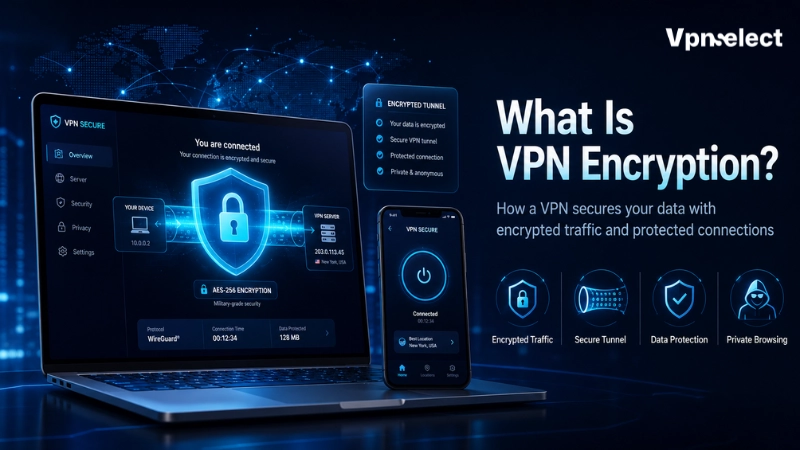
What Is VPN Encryption and Why Does It Matter?
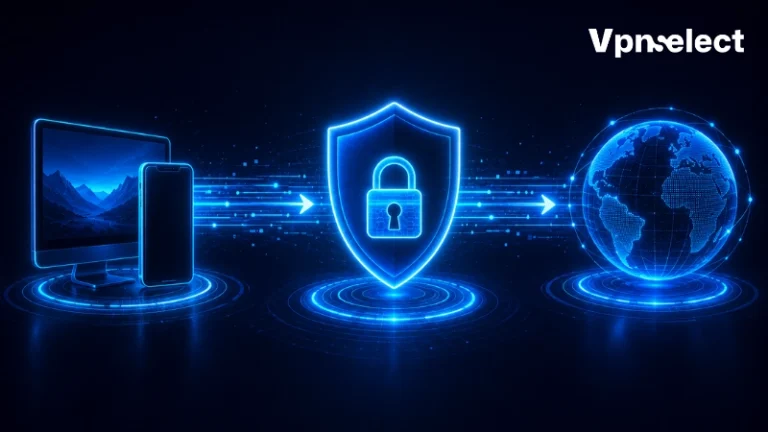
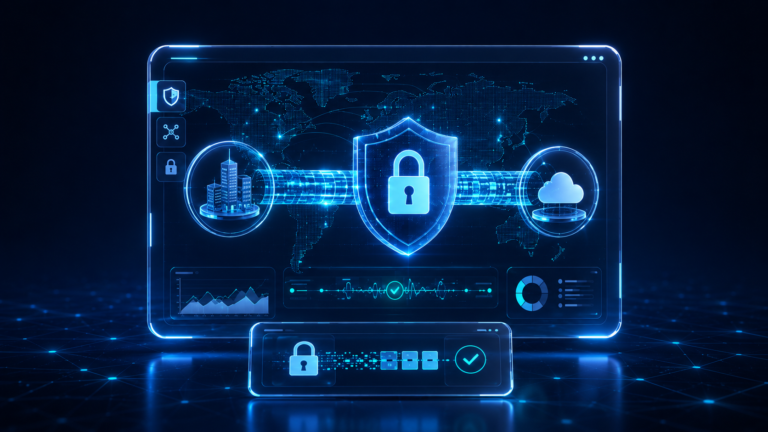
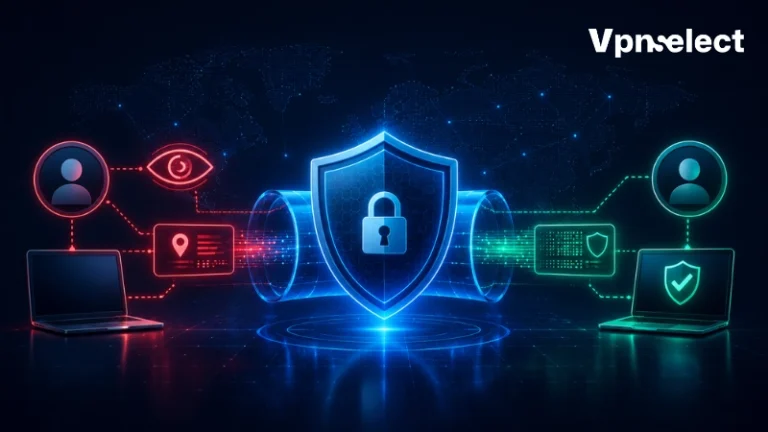
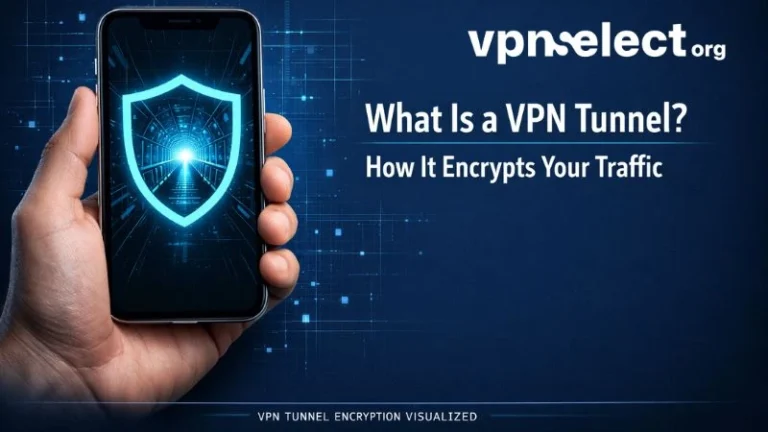
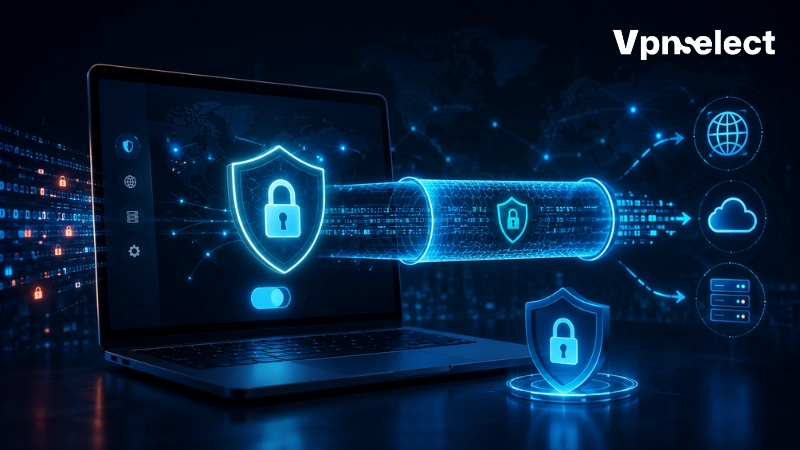
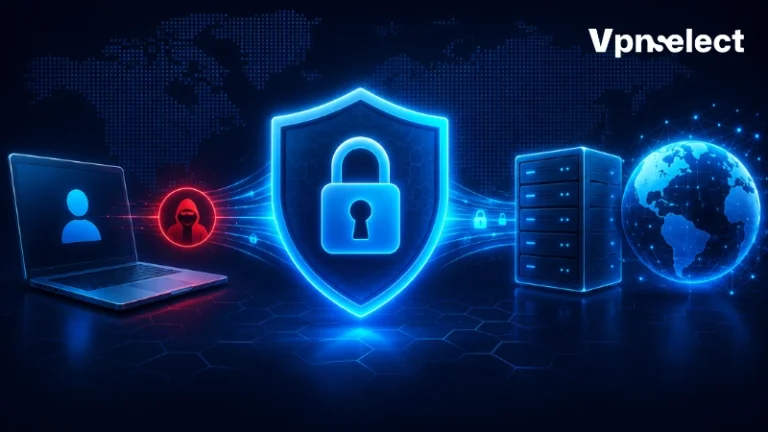
VPN encryption converts plain data into ciphertext using cryptographic keys, ensuring only authorized endpoints can decipher it. Imagine sending your data in a windowless armored truck instead of an open flatbed. The contents are shielded from prying eyes. This protection extends to browsing history, DNS queries, app traffic, and payload data.
It matters because unsecured networks leave users vulnerable to Man-in-the-Middle (MitM) attacks, ISP tracking, and packet sniffing. Encryption ensures that even if traffic is intercepted, the information remains indecipherable. In addition, strong VPN encryption adds a layer of trust for remote work, public Wi-Fi, and confidential communications.
How VPN Encryption Works
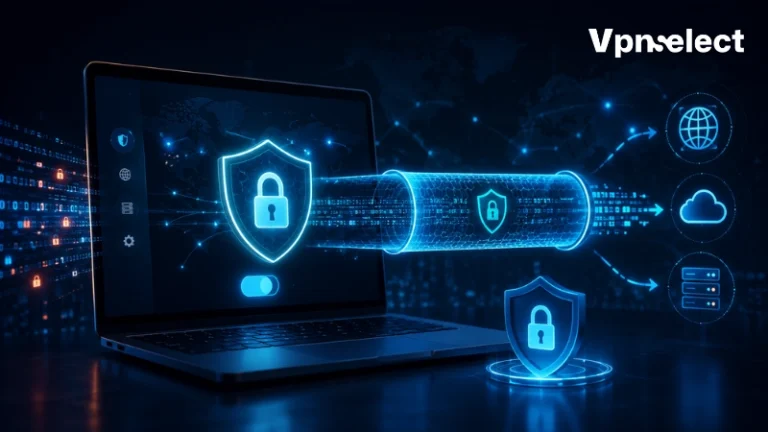
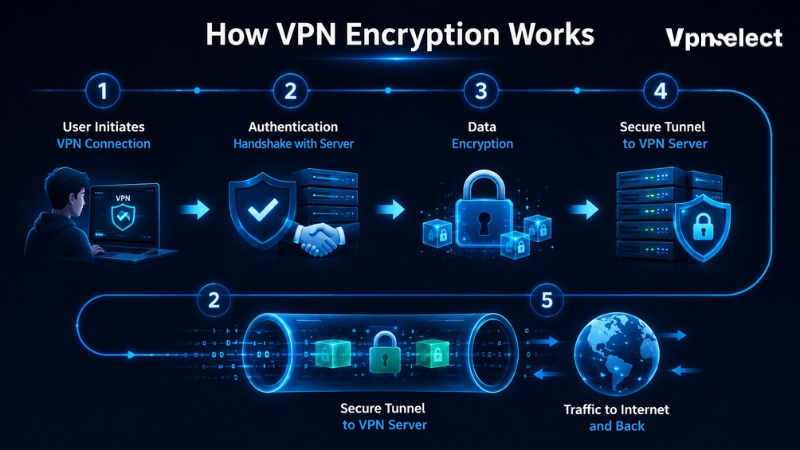
VPN encryption operates in a series of steps that secure traffic from your device to the VPN server. First, a handshake and key exchange establish a secret session key. Next, each data packet is encapsulated to mask its protocol and metadata. Finally, symmetric encryption protects the payload during transmission, and the server decrypts it for delivery.
Handshake & Key Exchange
The VPN client and server authenticate using public-key cryptography, often employing Diffie-Hellman or similar algorithms. This step securely negotiates a symmetric session key for encrypting data. Perfect Forward Secrecy (PFS) ensures that even if one session key is compromised, past communications remain safe.
Encapsulation
Encapsulation wraps each packet inside another packet, hiding the original protocol, source, and destination details from observers. This layer prevents network eavesdroppers from deducing the type of traffic or its endpoints, effectively cloaking your internet activities while in transit.
Symmetric Encryption & Decryption
Once the session key is established, all outgoing data is encrypted symmetrically, meaning the same key encrypts and decrypts the information. At the VPN server, the data is decrypted before being forwarded to its intended destination. Incoming responses follow the reverse process, maintaining confidentiality across the entire session.
Modern VPN Encryption Standards: Ciphers vs. Protocols
VPN encryption relies on ciphers (the cryptographic “locks”) and protocols (the rules for secure transport). Mastering these concepts is fundamental to mastering broader VPN basics, as they dictate how raw data is handled. The industry-standard symmetric cipher is AES-256, known for robust security.
For mobile efficiency, ChaCha20 offers high-speed encryption with minimal CPU usage. Protocols like WireGuard, OpenVPN, and IKEv2/IPsec define how encrypted traffic flows and reconnects under network changes.
|
Protocol |
Default Cipher | Speed / Throughput | Codebase Auditable Lines | Primary Use Case |
|
WireGuard |
ChaCha20 | Very High | ~4,000 | Mobile & lightweight clients |
| OpenVPN | AES-256 | Medium | ~100,000+ |
Flexible, cross-platform secure connections |
| IKEv2/IPsec | AES-256 | High | ~50,000 |
Mobile networks & network switching |
Each protocol balances security, speed, and compatibility, allowing users to choose the most suitable solution based on devices and connectivity needs.
Cryptographic Keys: The Math Behind the Curtain
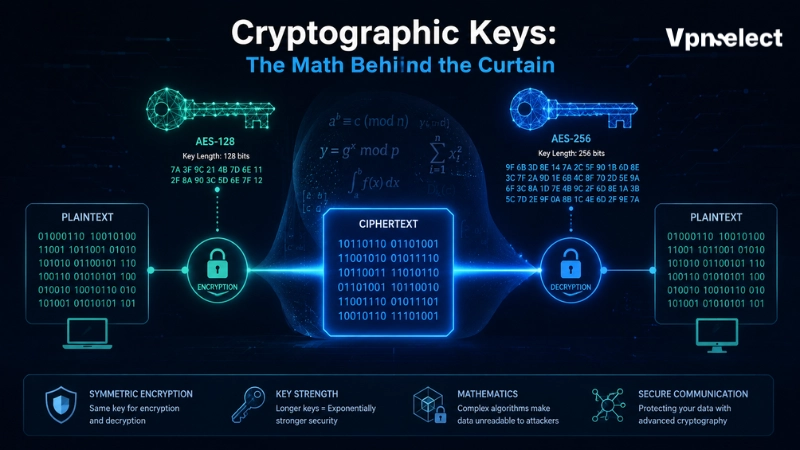
To fully grasp how modern security holds up against threats, we have to look closer at the types of encryption keys being used. Most premium network tunnels rely on a hybrid model: Symmetric keys are used for the actual data transfer due to their high speed, but asymmetric keys (which use a public-private key pair) are utilized strictly during the initial handshake to establish identity.
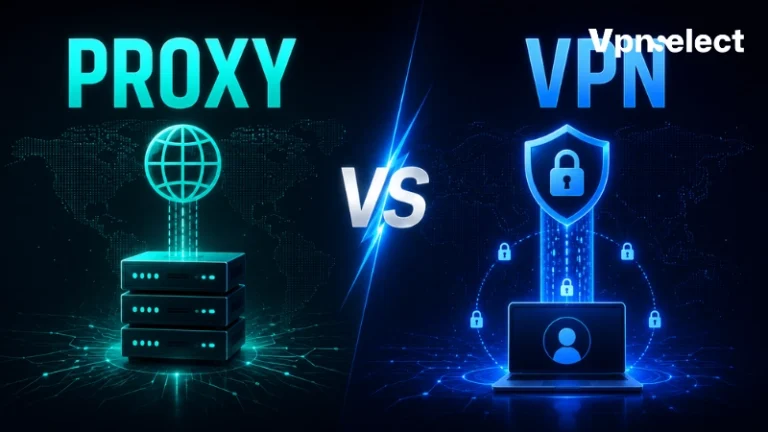
While AES-128 is highly secure and offers slightly faster processing on low-power devices, AES-256 has become the gold standard. When a client establishes a connection to a premium what is a VPN provider network endpoint, this 256-bit configuration initializes an incredibly dense mathematical wall.
AES-256 uses a key length that results in 2^256 possible combinations. To put this depth into perspective, running a brute-force attack to guess every single combination would require more raw energy than currently exists in our solar system. This massive disparity makes it mathematically impossible to crack with current computational technology, ensuring your tunnel remains secure long after the initial asymmetric handshake finishes its job.
Multi-Hop Architecture & Chained Security
For users operating under severe censorship or heightened threat models, a single layer of standard encryption might feel insufficient. This has led to advanced routing configurations that pass data through multiple independent data centers.
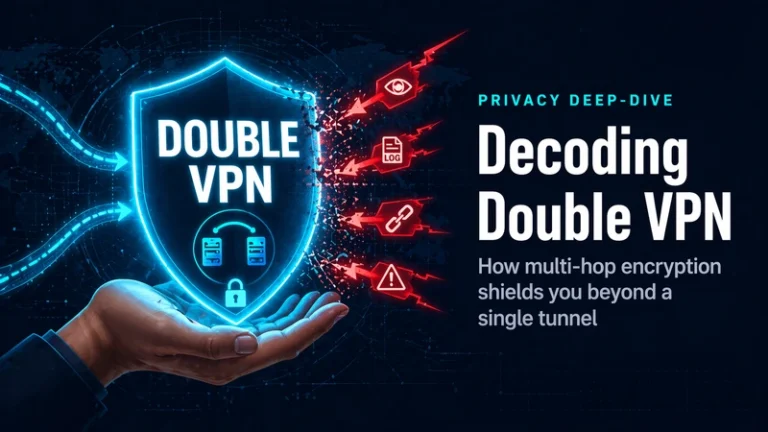
If you require absolute cryptographic isolation, it is worth looking into what is double VPN configurations. This architecture takes your data packet, encrypts it with Key A, nests it inside a second tunnel, and encrypts it again with Key B. The first server decrypts the outer layer, while the second server decrypts the inner layer, completely separating your traffic’s source from its ultimate destination.
VPN Encryption vs. HTTPS
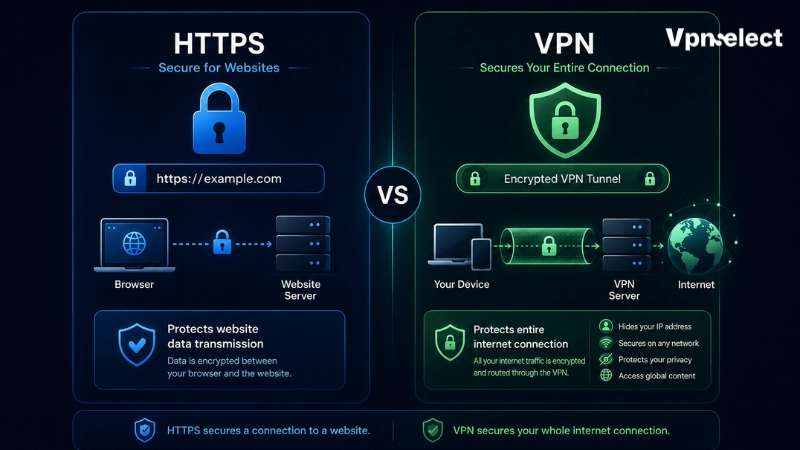
While HTTPS encrypts traffic between your browser and a website, VPN encryption covers all device traffic. This includes browsers, apps, and background services. A primary question users have when setting up these layers is: Can VPN hide my IP address while I am browsing?
Yes. With standard HTTPS, your content is secure, but metadata, like the websites you visit and your home IP address, is still entirely visible to your ISP or network administrator. A VPN, however, creates a secure tunnel that hides destination IPs, DNS queries, and traffic patterns, effectively masking both content and connection metadata from outsiders.
In short, HTTPS protects individual web sessions, while VPN encryption secures all network activity on your device, offering broader privacy and reducing exposure on public networks.
Security Realities: Limitations, Vulnerabilities, and Myths
Strong VPN encryption provides robust security, but it is not invincible. AES-256 encryption, for example, is mathematically secure against brute-force attacks. However, practical vulnerabilities often arise from poor implementation: compromised keys, outdated software, or malware on your device.
Encryption also does not stop phishing, browser fingerprinting, or tracking via cookies. Users must still exercise safe practices. Another common misconception is that VPNs guarantee complete anonymity. In reality, trust shifts from your ISP to the VPN provider. Features like RAM-only servers, verified no-logs policies, and audited infrastructure are critical to ensure operational privacy.
This balanced understanding helps you set realistic expectations while maximizing the protection that VPN encryption provides.
Conclusion
Learning about what is VPN encryption gives us new perspectives into this vital layer of digital security, safeguarding browsing, apps, and data transmissions across all networks. While it cannot solve every privacy or security risk, choosing VPNs with audited protocols and strong encryption standards ensures protection against interception and MitM attacks.
We recommend evaluating providers based on transparency, encryption strength, and protocol reliability rather than marketing claims. For a detailed breakdown of how to configure these settings on your own router or device, explore our VPN protocol and VPN encryption guide.
FAQ
Does a VPN encrypt all internet traffic on my device?
Yes. When properly configured, a VPN encrypts all network traffic originating from your device, including browsers, apps, and background processes. This comprehensive protection prevents local networks and ISPs from reading your data.
What encryption cipher does WireGuard use?
WireGuard primarily uses the ChaCha20 stream cipher for encrypting data. It combines high security with low CPU usage, making it ideal for mobile devices and lightweight VPN clients.
Does a VPN hide internet history from ISPs?
A VPN encrypts and tunnels your traffic, preventing ISPs from seeing visited websites, DNS requests, or transmitted content. However, the VPN provider itself may still have operational visibility, so choosing a trusted, no-logs provider is essential.

Leave a comment