









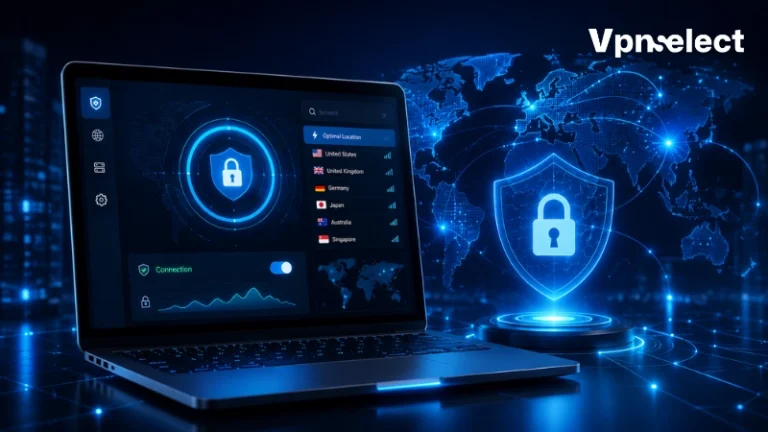
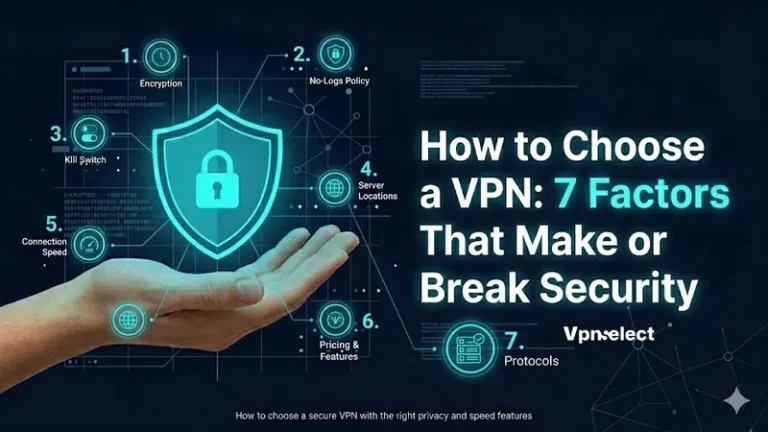
What is a VPN provider? It is a company or service that manages VPN infrastructure, including servers, applications, and networks, to give users secure and private internet access. VPN providers make it possible for everyday internet users, remote workers, and travelers to protect their online activity by encrypting data and masking IP addresses.
They improve privacy, reduce tracking, and allow safe browsing across public and home networks. By understanding how these services operate and which features matter most, users can choose a VPN provider that reliably keeps their digital life secure.
What Is a VPN Provider?
A virtual private network service gives you secure access to the internet by routing your connection through private servers. When looking at what is a VPN provider, it refers to a company that owns, operates, and maintains the specialized infrastructure, applications, and server networks you connect to.
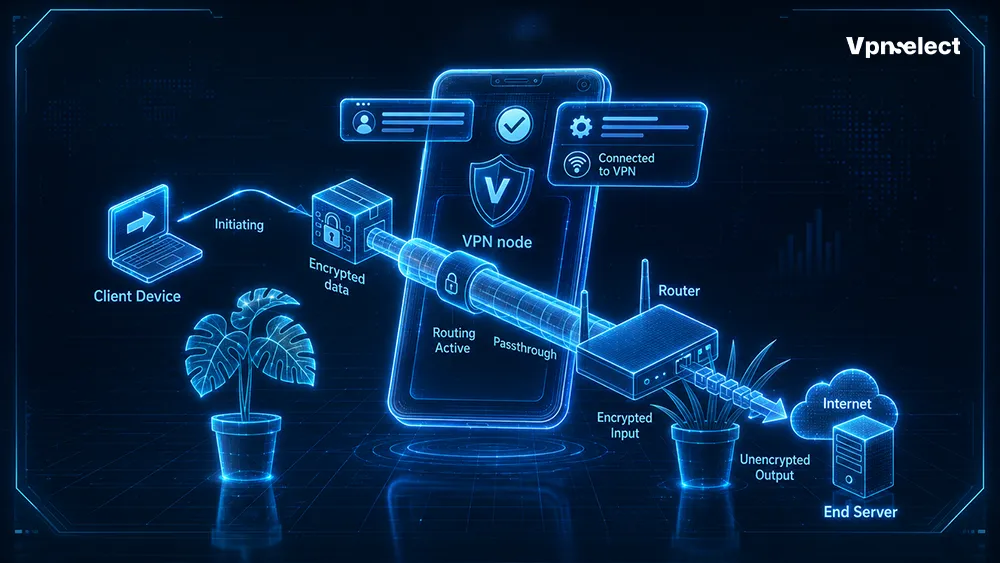
These providers simplify advanced encryption technology so anyone can use it. Rather than manually configuring network settings, you just install an easy-to-use app, choose a subscription plan, and connect to a global server network with a single click, ensuring privacy and protection online. For a deeper understanding of encryption mechanics, you can review the VPN encryption concept.
What Does a VPN Provider Actually Do?
VPN services provide multiple practical benefits that safeguard data, maintain privacy, and give users more freedom online. When considering what is a VPN provider, it refers to a company that manages the servers, applications, and infrastructure that make these protections possible. Here’s what they offer:
- IP Masking: Replace your public IP address with a VPN server’s IP to hide your location.
- Traffic Encryption: Protect your internet data so ISPs or hackers cannot intercept it.
- Public Wi-Fi Protection: Keep your connection secure on shared networks at airports, hotels, or cafes.
- Remote Access: Allow employees or travelers to safely connect to corporate networks from anywhere.
- Tracking Reduction: Reduce IP-based tracking, while cookies or account logins may still identify users.
- Secure Browsing: Prevent eavesdropping on personal information and online activity. For tips on automatically cutting connections if the VPN drops, see our learn about VPN kill switch guide.
These features ensure safer browsing, streaming, and work across all devices.
It Helps Hide Your Public IP Address
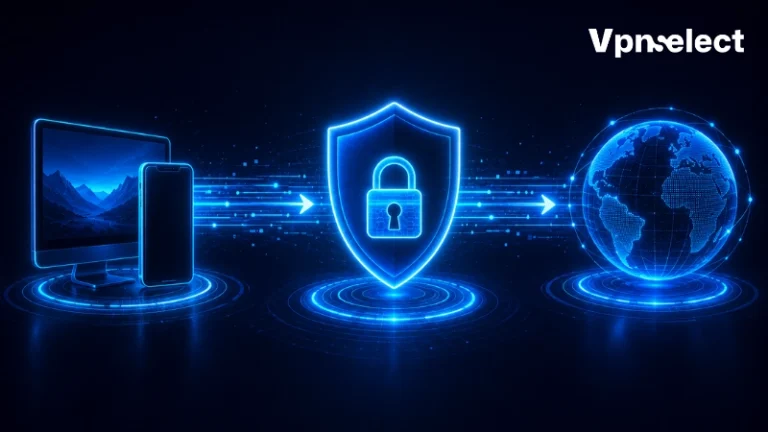
Every internet connection has a unique digital label that reveals your general location. What is a VPN provider in this context? It is a service that routes your traffic through a remote server, replacing your personal IP address with the server’s address. This not only boosts your privacy but also gives you more control over how your connection appears online.
It Protects Data on Public Networks
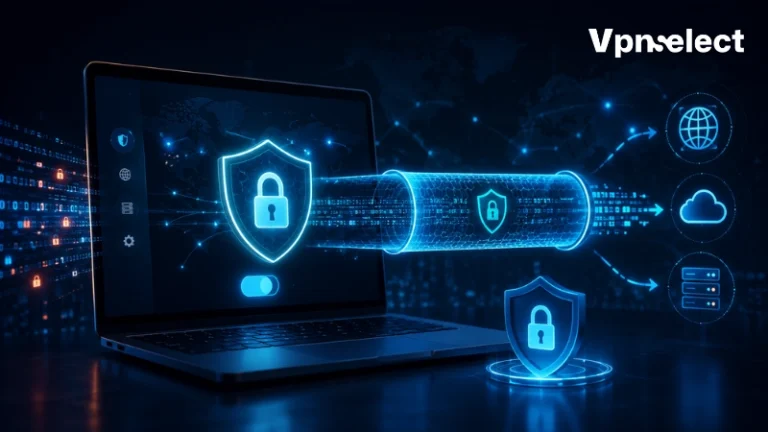
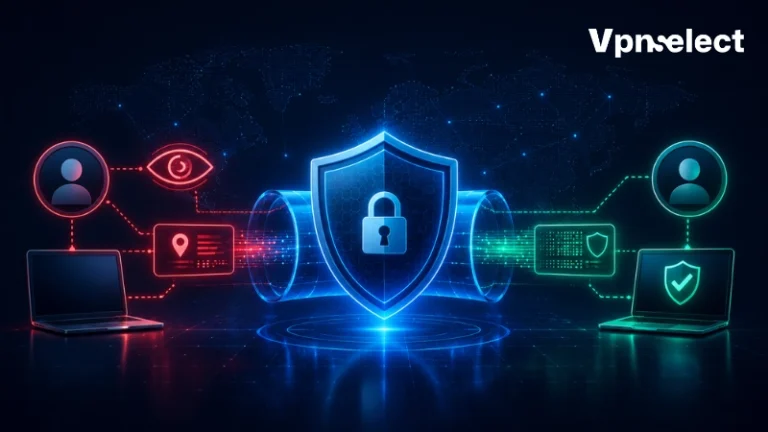
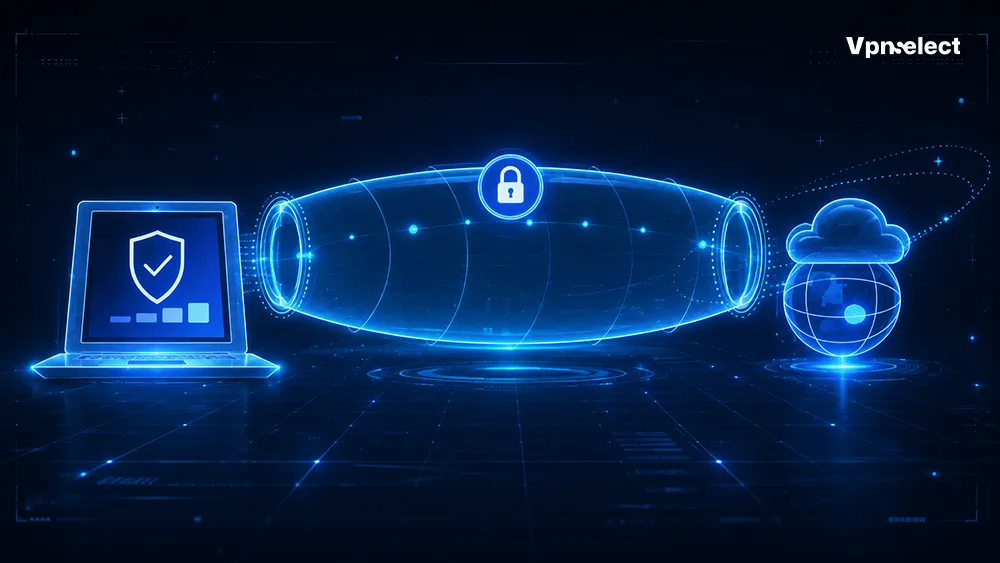
Open Wi-Fi networks at airports, hotels, and coffee shops are vulnerable to interception. A VPN provider encrypts your internet traffic, creating a secure tunnel that keeps passwords, financial details, and personal messages safe even on shared networks.
It Can Reduce Certain Types of Tracking
ISPs and advertisers often track activity based on your IP address. Using a VPN provider helps prevent these parties from profiling your location. For more insights on privacy while browsing, see the details in our see the details resource. Keep in mind, however, that cookies and logged-in accounts can still identify you.
How to Choose a Safe and Reliable VPN Provider
Choosing the right service means looking beyond flashy marketing and focusing on how the provider actually operates. What is a VPN provider really about? It is a company that manages servers, protocols, and security tools to protect your data. True online safety depends on verifiable infrastructure, transparent policies, and reliable operational practices rather than empty promises.
Use this practical checklist when evaluating VPN providers:
- Look for a Verified No-Logs Policy: Make sure independent cybersecurity audits confirm their claims.
- Review Security Features: Ensure features like an automatic kill switch and modern VPN protocols are included.
- Compare Server Locations: Check that servers are stable and geographically close to maintain fast browsing speeds.
- Read the Privacy Policy: Verify the company operates under jurisdictions with strong user privacy protections.
For a comprehensive list of trusted services, you can also check our planet VPN review.
Types of VPN Providers
Understanding the main categories of available services helps you select an option tailored to your specific technical requirements. This table explains what is a VPN provider across different operational categories and highlights who should use each option.
|
Type |
Target Users | Key Features |
|
Consumer VPN Providers |
Everyday users | Focus on privacy, easy-to-use apps, and multiple server locations |
|
Business VPN Providers |
Organizations, remote teams |
Centralized management, secure corporate access, multi-user licenses |
| Free VPN Providers | Budget-conscious users |
Limited servers, data caps, slower speeds, often ad-supported |
| Self-Hosted VPN Solutions | Tech-savvy individuals/companies |
Full control over servers and traffic requires setup and maintenance |
Consumer VPNs are ideal for private browsing and location flexibility, while business providers support secure remote work environments. Free options offer accessibility but come with trade-offs. Self-hosted solutions suit enterprises with IT expertise needing full control. For a wider selection, visit the VPNSelect.
Consumer VPN Providers
For everyday users, what is a VPN provider matters in terms of privacy, app usability, and location flexibility. These services are ideal for casual browsing, streaming, or accessing geo-restricted content safely, making online activity more private and convenient.
Business VPN Providers
Organizations benefit from understanding what is a VPN provider that supports corporate needs. These solutions offer secure remote access, centralized management, and team administration. They protect sensitive data while enabling hybrid or fully remote workforces to operate efficiently.
Free VPN Providers
Knowing what is a VPN provider in the free category is helps users set expectations. Free VPNs provide basic encryption and limited server access but often come with speed restrictions, data caps, or potential logging. They are suitable for casual testing but not recommended for sensitive or high-volume traffic.
Self-Hosted VPN Solutions
Tech-savvy individuals or organizations can deploy their own VPN servers internally. These self-hosted solutions offer complete control over privacy and infrastructure but require technical knowledge for setup, maintenance, and security compliance.
Free VPN Provider vs Paid VPN Provider
Choosing between a free service and a premium subscription directly affects your connection speed, privacy, and overall security. What is a VPN provider in each case?
Free providers give basic protection but often have limitations, while paid providers offer stronger security and better performance. Understanding these differences helps you decide if investing in a premium service is worthwhile for your digital safety.
|
Feature |
Free VPN | Paid VPN |
|
Privacy |
Limited, may log | High, strict no-logs policies |
|
Speed |
Often slow | Optimized, high-speed servers |
|
Support |
Minimal |
24/7 customer support |
| Server Access | Few |
Extensive global locations |
| Security Features | Basic |
Advanced encryption, Kill Switch |
| Reliability | Variable |
High, stable connections |
Free services provide minimal protection for occasional browsing, but a premium VPN provider subscription ensures faster connections, stronger privacy, and reliable customer support for daily use. Choosing the right service depends on your needs and security priorities.
When Should You Use a VPN Provider?
Integrating an encrypted connection into your daily routine can greatly enhance online privacy and security. We recommend activating your VPN whenever you encounter these situations:
- Public Networks: Working on Wi-Fi in cafes, hotels, or public transport hubs.
- Corporate Access: Connecting to sensitive company databases, emails, or financial systems from home.
- Personal Finance: Managing bank accounts or entering credit card details while traveling.
- Privacy Protection: Preventing your internet provider from tracking your web searches.
- Shared Connections: Securing household internet connections used by multiple devices.
Using a VPN provider in these situations ensures your online activity remains private and your data secure. For those looking to deepen their understanding, check out the VPN learning hub for additional resources on privacy, encryption, and modern VPN features.
Final Thoughts
Understanding what is a VPN provider is essential for making informed decisions, whether for personal browsing or business operations. By choosing a provider that prioritizes trust, strong performance, and strict privacy policies, you can protect your online activities, maintain anonymity, and enjoy stable, reliable connections across all your devices. VPN providers deliver secure, private, and flexible internet access, essential for protecting sensitive data at home and work.
FAQs
Can a VPN Provider See My Data?
A trustworthy VPN provider that enforces a strict no-logs policy cannot see or record your online activity. Your browsing, downloads, and communications remain private, and the provider cannot link your data back to your identity.
What Should I Look for in a VPN Provider?
When evaluating what is a VPN provider, focus on security features, privacy policies, available server locations, supported protocols, and connection speed. A high-quality provider will offer strong encryption, reliable uptime, and transparent practices, ensuring your data stays secure while giving you fast and flexible access to the internet.
Do VPN Providers Store User Logs?
Reputable VPN providers keep minimal or no logs to protect user privacy. Even if they record connection metadata for troubleshooting, it should never include websites visited or sensitive data.
Can I Trust a Free VPN Provider?
Free VPN providers often compromise on speed, privacy, or security to offset costs. Paid or well-reviewed VPN services offer stronger encryption, consistent performance, and transparent policies, making them the safer choice for protecting sensitive data and ensuring reliable online access.
Leave a comment