






Deciding “Do you Need a VPN” depends on whether you value digital privacy, security on untrusted networks, and the ability to access unrestricted global content. While a Virtual Private Network is an essential tool for many, it is not a magic bullet for every security concern. This guide clarifies the genuine benefits and limitations of using a VPN to help you determine if it belongs in your digital toolkit. We will explore specific use cases – from home browsing to mobile connectivity – ensuring you understand when this tool provides maximum value and when other measures are necessary.
Do You Actually Need a VPN? A Clear Answer
Yes, you likely Do I Need a VPN if you prioritize encrypting your personal data, masking your physical location, and preventing your internet service provider (ISP) from tracking your every move. These three core functions represent the primary reasons why millions of users adopt this technology daily.
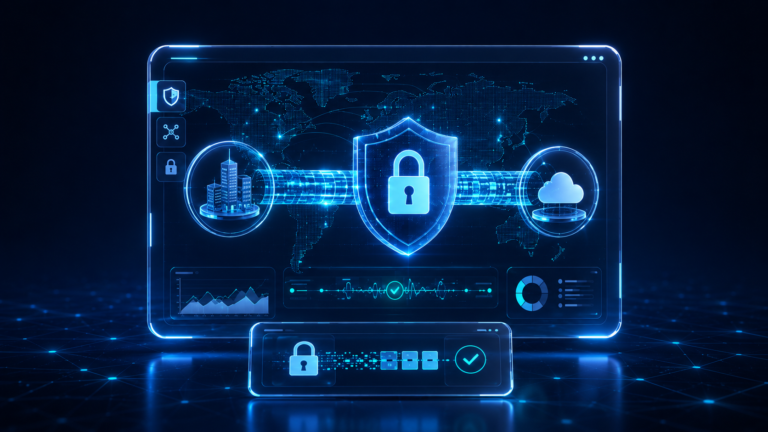
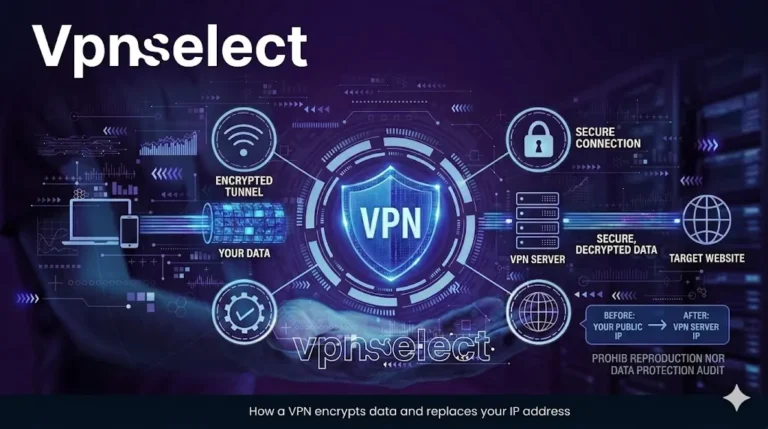
To understand what is a vpn in a practical sense, one must look at it as a secure tunnel for your data. While not every user requires this level of protection 24/7, the modern internet landscape is filled with entities – from advertisers to hackers – eager to exploit your unencrypted traffic. If you handle sensitive information or simply dislike the idea of being a product for data brokers, a VPN is a necessary investment.
Who Genuinely Needs a VPN and Who Doesn’t?
Determining “Do I Need a VPN” often comes down to your personal threat model. High-risk individuals, such as journalists, activists, or whistleblowers, genuinely need a VPN to protect their identity and bypass censorship in restrictive regimes. For these users, the encryption and IP masking offered by a VPN are not just conveniences; they are essential safety requirements.
On the other hand, if you only use the internet for low-risk activities on a trusted, encrypted home network and never access geo-blocked content, your need may be lower. However, even for casual users, why do i need a vpn becomes clear when considering that ISPs can legally sell your browsing data to third parties in many jurisdictions. Therefore, while the urgency varies, almost everyone can benefit from the added privacy layer.
What Situations Make a VPN Worth Using?
There are two primary groups of situations that make the answer to “Do I Need a VPN” a resounding yes: connecting to unverified networks and attempting to bypass regional content filters. These scenarios represent the most practical applications of the technology for the average person.
When you find yourself in these environments, the lack of a VPN exposes your data to significant risks. Using a VPN Guide to choose the right service ensures that you are prepared before you connect to a dangerous hotspot or try to watch a show unavailable in your region.
Is a VPN Necessary on Public Wi-Fi Networks?
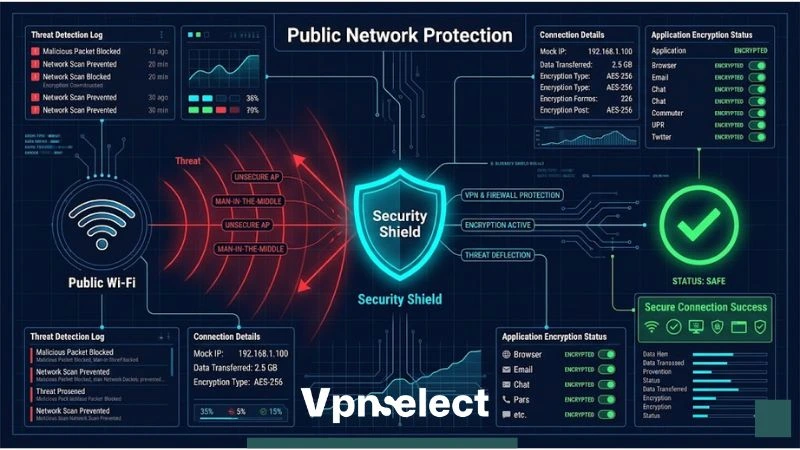
Yes, a VPN is absolutely necessary on public Wi-Fi because these networks are often unencrypted and highly vulnerable to man-in-the-middle attacks. Without protection, a bad actor on the same network at an airport, hotel, or cafe can potentially intercept your login credentials, emails, and passwords.
When you activate a VPN in these settings, it creates an encrypted connection before any data is sent. Even if an attacker manages to capture your data packets, they will only see scrambled, unreadable text. For anyone who works remotely or travels frequently, this single use case is often enough to justify a subscription to a Best VPN provider.
Can a VPN Help You Access Geo-Blocked Content?
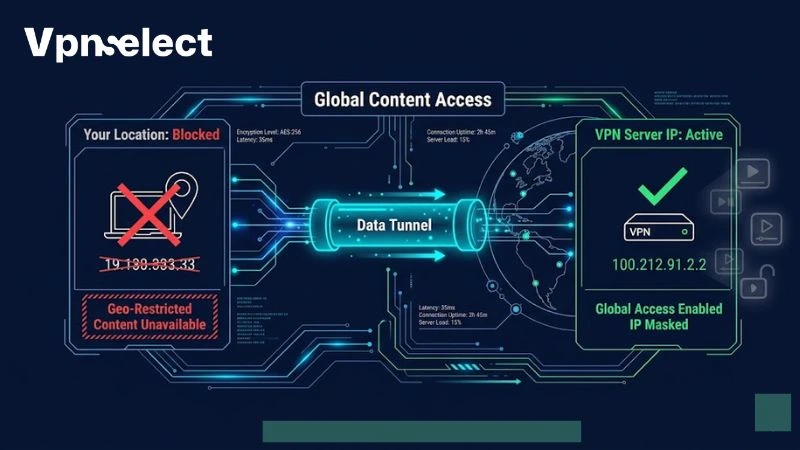
Yes, a VPN can bypass geo-restrictions by routing your traffic through a server in a different country, making it appear as though you are browsing from that location. This is particularly useful for streaming platforms that limit content libraries based on geographic regions.
By substituting your real IP address with the IP of a remote server, you gain access to websites and services that might otherwise be blocked by local laws or licensing agreements. While not all providers can consistently bypass the sophisticated detection systems of major streaming sites, premium services often include specialized servers for this exact purpose.
Do You Need a VPN at Home on Your Network?
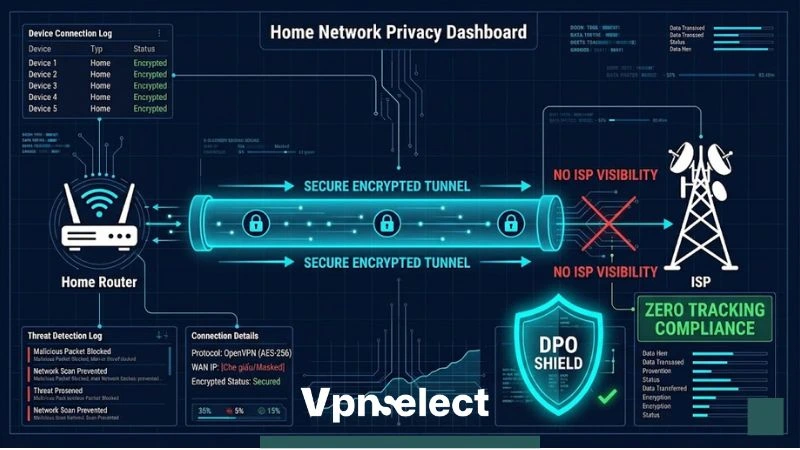
Yes, you might Do I Need a VPN at home to prevent your ISP from logging your browsing habits, throttling your connection based on your activity, or selling your data to advertisers. Even on a private network, your traffic is not truly private from the company that provides your internet access.
Many users ask, “do i need a vpn at home?” when they already have a password-protected Wi-Fi. The password only protects the local connection from neighbors; it does nothing to stop the ISP from seeing every website you visit. By using a VPN at home, you ensure that the only thing your ISP sees is encrypted traffic moving toward a VPN server, keeping your actual online behavior confidential.
Do You Need a VPN on Your Phone?
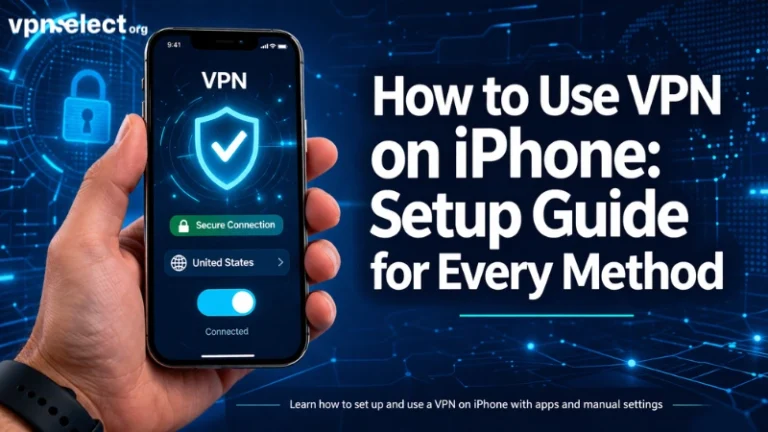
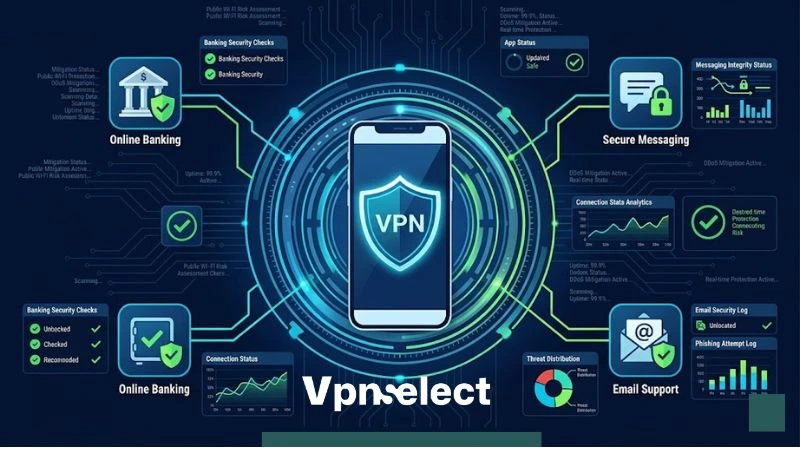
Yes, you Do I Need a VPN on your phone because mobile devices are frequently connected to various public networks throughout the day and contain some of your most sensitive personal information. From banking apps to private messages, the data on your phone is a high-value target for trackers.
If you are wondering, “do i need a vpn on my phone?” consider that mobile OS platforms like Android and iOS handle connections differently. For instance, Android allows for a system-wide kill switch that ensures no data leaks if the VPN connection drops. On a phone, using a protocol like IKEv2/IPSec is beneficial as it can reconnect quickly when you switch between cellular data and Wi-Fi. While you might be tempted by best free vpns, be cautious as many of them monetize your data, which defeats the purpose of mobile privacy.
When Does a VPN Not Protect You?
A VPN is a powerful privacy tool, but it does not make you completely anonymous, protect you from malware you download, or stop tracking if you are logged into accounts like Google or Facebook. Understanding these limitations is as important as knowing the benefits of the tool itself.
To decide what is a vpn provider that is right for you, you must look for features like “no-logs” policies and kill switches. However, even the best provider cannot stop “browser fingerprinting” or cookies that identify you based on your device settings. True anonymity requires a layered approach, including hardened browsers and disciplined online behavior, rather than relying on a VPN alone.
Can a VPN Be Detected and Blocked by Services?
Yes, many services use Deep Packet Inspection (DPI) to identify the unique signatures of VPN protocols and block that traffic. This is common on corporate networks or in countries with heavy internet censorship.
When a VPN is detected and blocked, users often need advanced features like “obfuscation” to disguise VPN traffic as normal HTTPS web browsing. If your goal is to stay connected in a restrictive environment, you should check a VPN Select comparison to find providers that offer stealth protocols designed to bypass these blocks.
Wrapping Up
Determining “Do You Need a VPN” requires a balance between your need for privacy and your typical online environment. A VPN provides essential protection on public Wi-Fi, prevents ISP tracking at home, and allows for global content access by masking your IP and encrypting your traffic. However, it is important to remember that it is a single layer in a broader security strategy; it won’t stop tracking if you are logged into social media or protect you from malicious downloads. For most modern users who value their data, a VPN is a highly recommended tool that offers a meaningful boost to digital autonomy.
Ready to find the perfect balance of security and speed? Visit VPNSelect to compare the industry’s top-rated providers and discover which one fits your specific needs



Leave a comment